

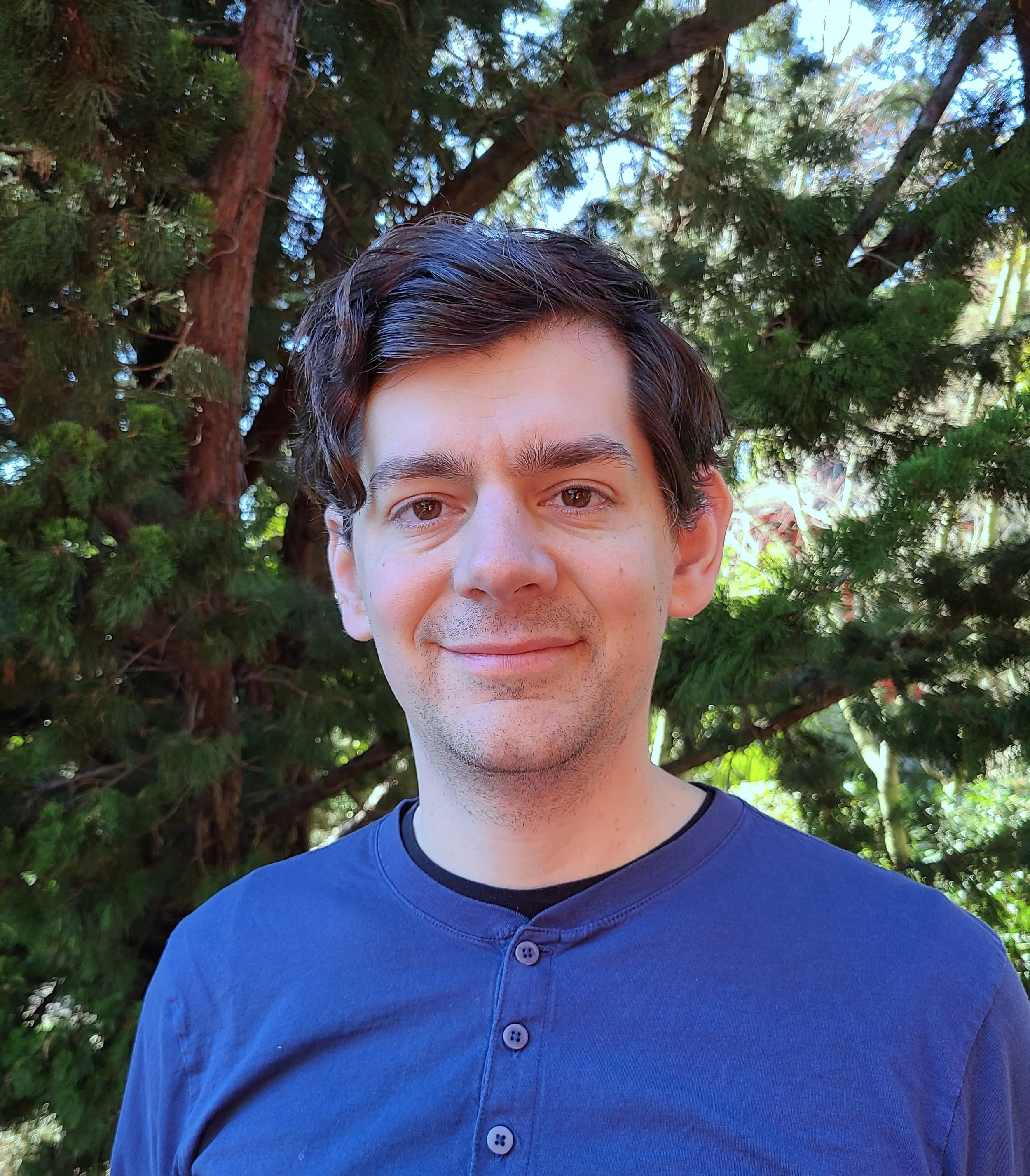
Hi, I'm Dr. Zeke Watts. Ever since I was a kid, I knew that I wanted to be a doctor. I wanted to help people as most doctors do, but more than that I wanted to work in a way where I got to affect long lasting and meaningful changes in people's lives and really get to know them and built relationships over time. As I grew older and learned more about the medical system, I realized that the conventional model is not for me. While it provides tremendous value for billions of people in the world, the basic model of giving a medicine to manage the symptoms of a problem, rather than getting to the root cause of it always seemed to lack the deeper understanding of what makes a person truly healthy.
For my undergraduate training I attended the University of North Carolina at Asheville where I graduated magna cum laude with a major in Health and Wellness Promotion and special departmental distinction in my field. I was trying to get clearer idea not only of what complete wellness really means, but also to gain tools to help people reach it.
After that, I had to decide if I wanted to become a Doctor of Medicine, or pursue a different path. I was keenly aware of the holes and flaws in the conventional medical model, and that many people end up falling through the cracks. Sure, you might have an effective treatment that helps 80% of people with a certain problem, and that is great, but I always wondered, “what about that other 20%? Who is looking out for them?” I set out to find a profession that let me help people that fall through the cracks. That search led me to become a chiropractor and work in the field of nonsurgical musculoskeletal medicine, which is poorly addressed by the conventional medical system.
For my doctorate degree, I went to D’Youville University In Buffalo, NY because it was the only multidisciplinary chiropractic school in the United States at the time, and I figured that if I could learn from the experts in multiple professions, I would be a more well-rounded doctor and be able to more effectively work with other health professions to get my patients the best care. I also got to work with very complex cases in a trauma hospital, and a neurosurgery clinic as part of my training, which prepared me to handle complex, difficult cases.
I love being a chiropractor, as it allows me to help people with the kinds of issues that conventional medicine just does not have many tools to address. It also allows me to get to know my patients and talk to them and watch them get better firsthand. I learned very quickly that most of being a good doctor is finding the right diagnosis and understanding all the nuances in a person’s situation so that you can address them quickly and efficiently. I love working out the puzzle of what is going wrong with someone and then working with them to address the issue and watch them get their quality of life back. It is my absolute favorite thing about being a doctor and a large part of what drives me as a human being. Because of this, I quickly developed a reputation as the person to go to if you have a weird condition that no one else can figure out, and for a long time that provided me with a constant supply of new puzzles, and I was happy.
While I still love practicing as a chiropractor, helping people, and figuring out the puzzle of what is wrong, chiropractic medicine really only deals with structural issues involving joints, muscles, and nerves (the neuromusculoskeletal system) and the diagnosis of chiropractic issues alone was no longer sufficiently challenging to me. I also continued to have many patients with non-structural issues, and for a long time I did not have any tools in my toolbox to help them. I needed a new puzzle, and I wanted it to be one that still allowed me to help people in the same way, but with more issues.
I had a friend who had recently started practicing functional medicine, and showed me some of what he was doing and the results he was getting with complicated inflammatory disorders that are otherwise very hard to treat. That set me on the path of functional medicine and I started taking courses. Very quickly, I was hooked. Functional Medicine allows me to help with a much wider variety of problems, and the puzzles are dramatically more complex and satisfying to unravel. Best of all, I get to help people with complex issues get their quality of life and independence back.
I have now completed extensive training from several of the best functional medicine programs in the world (See below). I am always hungry to learn more information and master more aspects of my craft so that I can more efficiently help my patients live healthy lives.
I hope that I can meet you where you are, and that I happen to have the skills and knowledge to help you get where you want to be. I look forward to working with you, or if I am not the right person to help you reach your goals, I will try to help you find that person.
Meet Dr. Zeke
My Values
My core values are honesty, integrity, excellence, compassion, trust, and humility. I know that sounds like something off of a motivational poster, but they really are the center of how I operate.
Honesty- I will always be truthful, even if the truth is hard to hear. It costs nothing to be truthful, and good, clear communication is the center of every healthy relationship. I also hope you will be comfortable enough to be honest with me.
Integrity- I don’t take advantage of people, financially or otherwise. My goal is to help you get better, not to trick you into buying something you don’t need. I believe that success in business comes from providing quality care and good value. If I take care of you and am good at my job, you will take care of me and tell your friends, then my business and my patients all thrive together and everybody wins.
Excellence- Being a doctor is complicated. Humans are complicated. There are many factors that influence each other and can make it hard to get to the root of the problem to address it. I always strive to learn more so that I can help you find accurate useful answers. While I don’t believe anyone can ever really master anything, I always hope to continue learning and getting better so that I can help more people more effectively.
Compassion- We all have different paths through life. Some people’s paths are easy, most are not. Change is hard, and having your body not work can be devastatingly confusing and overwhelming. All healthcare providers need to meet people where they are without judgement and work with them to move forward. Compassion does not make a great doctor, it is a prerequisite to being an adequate one.
Trust- I know how common it is to be dismissed by the medical system, especially if you have an atypical issue. I can’t count how many of my patients have been told “it’s all in your head,” or “your labs and imaging are normal so there is nothing wrong” and you just have to “live with it.” Just because your tests are normal does not mean there is not a problem, it just means that the problem did not show up on those tests. I trust you to know when something is not right. My job is to help you find what it is and how to address it so that you can fix the problem.
Humility- A doctor is not the most important person in the room. The patient is. We are just here to apply our clinical knowledge to help you figure out your issue and what steps to take to help. Doctors aren’t perfect. We don’t know everything and each one of us has our own pieces of the puzzle. The best doctors can put their ego aside and take time to listen to their patients and help them find answers. If I don’t have the pieces of the puzzle you need, then I will either try to find them, or help you find the right person that does.
My Practice Model
Online care:
Our practice is exclusively online through a secure online telehealth portal. There are three main reasons I chose this model: accessibility, convenience, flexibility.
I live in New Zealand, and practice in New Zealand, in North Carolina, and soon hope to serve Australia as well. Delivering care online allows my patients consistent access to me, regardless of where they live and allows me to serve a much larger area than a brick-and-mortar business would.
My patients also love it because it is easy and convenient and they don’t have to travel to come see me or ask me questions.
It is also much streamlined to upkeep which allows me the flexibility to spend more of my energy actually helping people and less time on administrative tasks.
scheduling:
Because I serve several different time zones, I try to make my schedule as convenient as possible, although my available times may not be during normal working hours in your region. For example, New Zealand is 18 hours ahead of North Carolina, so 8:00 am on a Friday in New Zealand is 2:00pm on Thursday in NC. For that reason, most of my patients in NC tend to go for afternoon or evening appointments after they get off of work. My scheduling program does show appointments in your local time zone when you schedule so you won’t have to convert.
You can schedule appointments online here.
My Approach:
Everyone is different and your care needs to be personalized to meet your goals. There are several different levels of care that I offer. Not everyone is a good candidate for functional medicine and I don’t want to waste your time or money. We are after results and quality care, not useless expense.
Once you know your options, we do a free discovery consult where we can determine your needs, answer your questions, and make a game plan moving forward. For a more detailed outline of the process, click here.
When you are ready to jump in, click here to schedule your free discovery session.
Have more questions?
Feel free to check out our patient resources section where you can access additional educational content in our Video Library, Blog, or FAQ, and feel free to ask us a question while you are there, or email me directly here.
My Training
My educational background bridges advanced physiology, neurology, and clinical nutrition. In addition to my Chiropractic Doctorate, I hold active certifications as a Certified Functional Medicine Practitioner (CFMP) through the Kharrazian Institute, alongside credentials as a Certified Functional Nutritionist (CFN) and Certified Functional Nutritionist Specialist (CFN-S) via the Academy of Functional Nutrition and Lifestyle Medicine (AFNLM).
To ensure my diagnostic frameworks remain at the absolute cutting edge of system biology, I am currently pursuing my post-graduate nutritional diplomate. My continuing fellowship work includes ongoing training through the Institute for Functional Medicine (IFM), Functional Medicine University, the Kalish Institute, Fullscript, Rupa Health, and FXMed, and many hours of independent research.
Rather than relying on generic protocols, this diverse training allows me to engineer highly targeted, data-driven strategies for complex chronic cases. You can view my verified clinical certifications and course completions below:
Kharrazian Institute Training
-
Focus: Advanced, evidence-based systems biology, clinical laboratory diagnostics, and multi-system framework integration.
Clinical Application: Represents the completion of intensive clinical training covering the cross-talk between the gut, brain, immune, and endocrine systems. This credential certifies the advanced diagnostic mastery required to manage highly complex, multi-layered chronic conditions from a true root-cause perspective.
-
Focus: Advanced clinical models, laboratory interpretation, and systematic history intake frameworks.
Clinical Application: Serves as the bedrock diagnostic architecture used to map your unique history, identify physiological priorities, and track systemic wellness biomarkers over time.
-
Focus: Blood-brain barrier integrity, microglial activation pathways, and structural brain health.
Clinical Application: Addresses the physiological root causes of brain fog, cognitive fatigue, and post-concussion or inflammatory neurological presentations.
-
Focus: Intestinal permeability (leaky gut), severe dysbiosis, SIBO, and mucosal immune system activation.
Clinical Application: Used to systematically rebuild barrier defense, restore digestive motility, and balance the microbiome to resolve systemic downstream symptoms.
-
Focus: Environmental triggers, loss of self-tolerance, tissue-specific immune reactivity, and T-cell regulation.
Clinical Application: Guides the strategic management of overactive immune systems by identifying and calming the specific environmental and physiological triggers driving tissue destruction.
-
Focus: Thyroid autoimmunity, central vs. peripheral thyroid pathways, and endocrine-immune interactions.
Clinical Application: Looks far beyond standard TSH markers to optimize peripheral thyroid hormone conversion, target antibody production, and restore systemic metabolic cellular energy.
-
Focus: Insulin resistance mechanics, advanced glycation end-products, and metabolic syndrome phenotypes.
Clinical Application: Engineered to reverse metabolic gridlock, stabilize daily energy patterns, and protect target organs from the cellular damage caused by chronic blood sugar fluctuations.
-
Focus: HPA/HPT axis regulation, oocyte quality, and systemic physiological readiness for pregnancy.
Clinical Application: Optimizes parental biology, cellular methylation, and metabolic health prior to conception, supporting maternal vitality throughout gestation and postpartum recovery.
-
Focus: Early neurodegenerative pathways, metabolic encephalopathy, and localized cerebral support.
Clinical Application: Targets early shifts in memory, word recall, and spatial awareness by optimizing cerebral blood flow, blood sugar delivery to the brain, and reducing neural plaque triggers.
-
Focus: Mitochondrial dysfunction, central sensitization, and hypothalamic-pituitary-adrenal (HPA) axis collapse.
Clinical Application: Restores the body’s fundamental cellular power plants (mitochondria), regulates systemic stress responses, and dampens hyper-reactive nervous system pain signaling.
-
Focus: Early neurodevelopmental patterns, pediatric immune activation, and primitive reflex integration.
Clinical Application: Evaluates early childhood neuro-immune disruptions, toxicant burdens, and gut-brain axes to support optimal developmental milestones and neurobehavioral health.
-
Focus: Advanced vascular lipid profiling, endothelial lining health, and cerebral microvascular perfusion.
Clinical Application: Looks past basic cholesterol panels to evaluate hidden arterial inflammation, protect blood vessel walls, and maximize oxygen delivery to the brain and heart tissues.
-
Focus: Neurotransmitter synthesis, neuroendocrine balance, and the systemic gut-brain-immune axis.
Clinical Application: Modulates chronic mood alterations by addressing the non-psychiatric roots of mental well-being, including neuroinflammation, nutrient depletions, and gut health.
-
Focus: Cellular senescence, autophagic optimization, telomere preservation, and healthy aging pathways.
Clinical Application: Uses cutting-edge lifestyle, nutritional, and metabolic interventions to slow biological aging, extend your active healthspan, and maintain vital organ reserve.
-
Focus: Latent viral loads, stealth intracellular pathogens, and persistent immune evasion strategies.
Clinical Application: Safely shifts immune system dynamics to address underlying vector-borne or chronic viral burdens that deplete energy reserves and stall recovery.
-
Focus: Steroidogenesis pathways, hepatic estrogen detoxification, and peripheral hormone receptor sensitivity.
Clinical Application: Stabilizes complex fluctuations in estrogen, progesterone, and testosterone cycles by clearing metabolic pathways and balancing liver clearance mechanics.
-
Focus: Systemic cytokine cascades, NLRP3 inflammasome activation, and environmental toxicant triggers.
Clinical Application: Uncovers and systematically disarms the silent, low-grade inflammatory drivers that underpin almost all modern chronic illnesses.
-
Focus: Mucosal immunity disruption, epithelial barrier breakdown, and environmental bio-allergen or microbial colonization.
Clinical Application: Repairs barrier integrity and recalibrates local immune responses to resolve persistent airway reactivity and chronic sinus congestion.
-
Focus: Central sensitization pathways, trigeminovascular system activation, and neuroinflammatory or metabolic triggers.
Clinical Application: Pinpoints and modulates the neurological, vascular, and metabolic disruptions driving chronic head pain to restore nervous system stability.
-
Focus: Osteoimmunology pathways, extracellular matrix degradation, and musculoskeletal metabolic stressors.
Clinical Application: Halts progressive tissue breakdown by addressing underlying systemic inflammatory and metabolic drivers, promoting structural longevity and resilience.
Academy of Functional Nutrition and Lifestyle Medicine Training
-
Focus: Systems-based clinical nutrition science, biochemical individuality, micronutrient therapy, and the six pillars of lifestyle medicine.
What's Included: This intensive foundational program comprises over 200 clinical lectures spanning 8 distinct core modules. The curriculum covers the deep physiology of Micronutrients and Specialized Targeted Nutrients, advanced Functional Dietary Frameworks, and the precise biochemistry of Time-Restricted Feeding and Fasting protocols. It provides comprehensive training in mapping therapeutic diets (including Ketogenic, Autoimmune Paleo, and Low-FODMAP tracking) alongside critical lifestyle medicine applications in sleep, circadian rhythm, and stress-axis modulation.
Clinical Application: Establishes the core scientific foundations of clinical nutrition, focusing on how dietary frameworks, cellular building blocks, and daily lifestyle habits modulate cellular inflammation and metabolic processes. This framework ensures that your fundamental dietary blueprint is precisely tailored to your unique genetics and daily physiological demands.
-
Focus: Advanced functional diagnostic nutrition, complex multi-system biomarker analysis, and deep-dive organ system therapeutics.
What's Included: The advanced postgraduate specialty tier of the academy, requiring mastery of dedicated, multi-week clinical tracks. The training includes deep-dive modules in: Immune & Autoimmunity (mechanisms of immune dysfunction and loss of self-tolerance), Blood Sugar & Energy Stabilization (mitochondrial mechanics and dysglycemia tracking), Advanced Gastrointestinal Conditions (root-cause analysis of GERD, SIBO, and complex dysbiosis), Toxicity & Detoxification (biochemistry of liver phases, mycotoxins, and heavy metal clearance), Brain & Nervous System Conditions (neurodegenerative pathways and neurovascular support), and Hormones & the Endocrine System (advanced steroidogenesis and HPT/HPA axis dynamics).
Clinical Application: The highest level of specialty training within the program, focusing on advanced clinical strategies for highly complex chronic cases. This covers the application of targeted therapeutic nutrition to resolve deep tissue imbalances across the immune, gastrointestinal, neuro-endocrine, and environmental detoxification pathways.